Balayage vs Highlights: Which Is Right for Your Hair, Lifestyle & Desired Look?
Thinking about changing your hair colour but cannot decide between balayage vs highlights? Both techniques can add brightness, dimension and depth to your hair, but they create different results. The best option depends on your current hair colour, hair condition, desired look, lifestyle and how much maintenance you are comfortable with.
In simple terms, balayage is generally ideal for people who want soft, blended and natural-looking dimension with a softer grow-out. Highlights are often better for those who prefer brighter, more defined and noticeable lighter sections throughout their hair. However, the difference is not simply about choosing between natural and bright colours. Both techniques can be customised to suit different hairstyles, hair textures and personal preferences.
In this guide, Le Classic Hair Studio explains the differences between balayage and highlights, how each technique works, which option may suit dark or Asian hair, how to maintain your colour and what to consider before booking a professional hair colouring service.
What Is the Difference Between Balayage and Highlights?
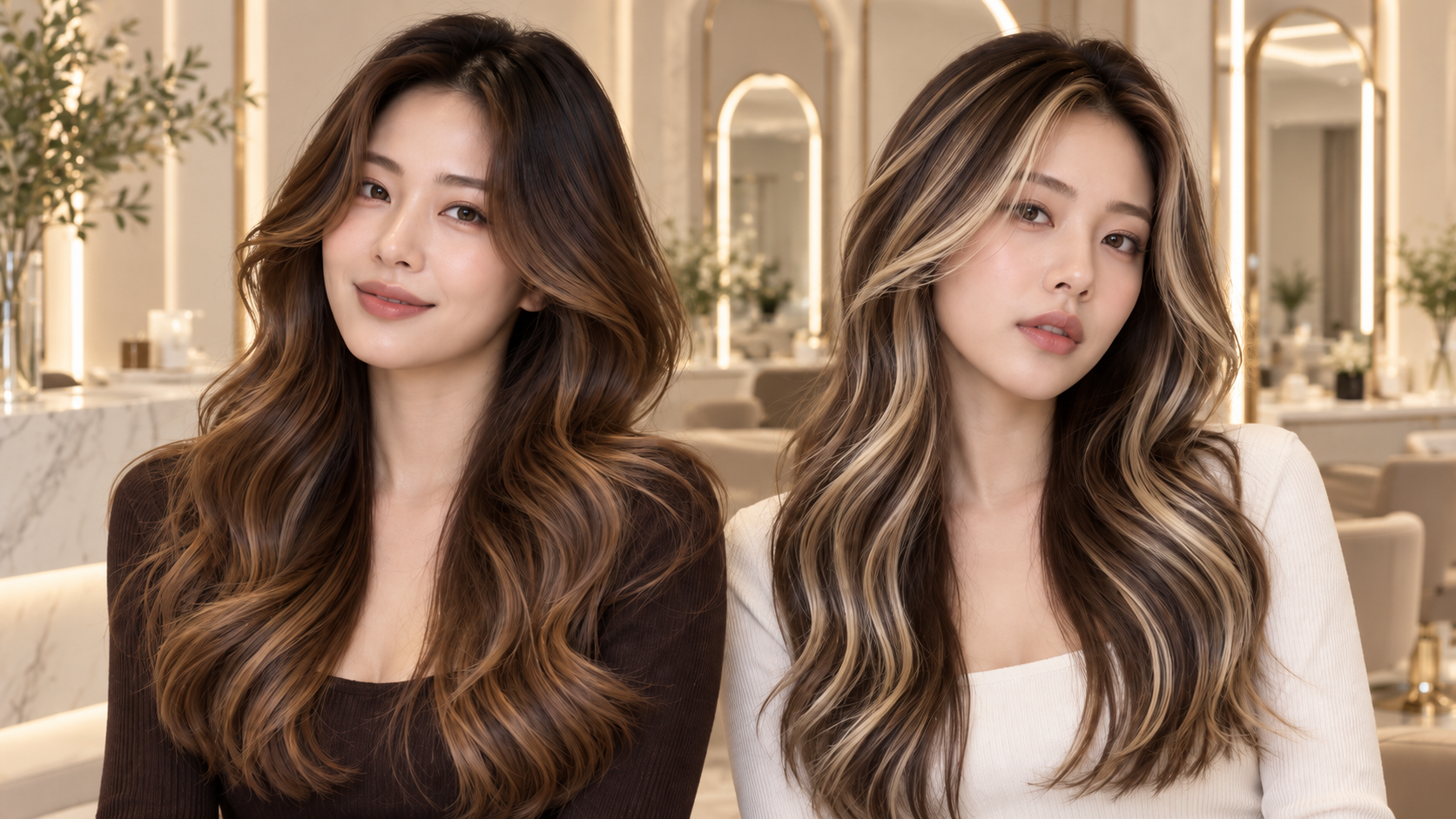
The main difference between balayage and highlights is how the lighter colour is applied and the overall effect it creates. Balayage is commonly associated with soft, graduated colour transitions that blend naturally with the existing hair colour. Highlights involve lightening selected sections of hair to create brightness and contrast, with the final result depending on the placement, thickness and intensity of the lighter strands.
Balayage is often preferred by people who want a lived-in hair colour with less noticeable regrowth, while highlights may appeal to those who want more defined brightness throughout their hair. However, neither technique is automatically better than the other. Both can create subtle or dramatic results depending on the colour design and the client’s preferences.
The most suitable technique is the one that complements your natural hair colour, haircut, hair condition and lifestyle.
What Is Balayage?
Balayage is a hair colouring technique designed to create a soft, dimensional and graduated appearance. Rather than creating a uniform colour from the roots to the ends, the stylist strategically places lighter colour to complement the haircut, face shape and desired result. This can produce anything from subtle, sun-kissed dimension to a more noticeable colour transformation.
One of the main reasons balayage remains popular is its versatility. It can create soft colour transitions, warm caramel tones, chocolate brown dimension and brightness around selected areas of the face. The result can look natural and blended, particularly when the lighter sections transition gradually from the existing hair colour.
Another advantage of balayage is that it can offer a softer-looking grow-out. Because the colour design does not always create a strong line between the roots and the lighter sections, regrowth may appear less noticeable as the hair grows. This makes balayage an attractive option for people who prefer a more relaxed colour maintenance routine.
At Le Classic Hair Studio, Balayage/Airtouch is listed among the salon’s hair colouring services, alongside highlights and other colour options. A professional consultation can help determine the appropriate colour placement and technique based on your current hair colour, hair texture, condition and desired outcome.
What Are Highlights?
Highlights involve lightening selected sections of hair to create contrast, brightness and dimension. Depending on the technique and placement, highlights can be fine and delicate, subtle and natural-looking, or bright and clearly defined. They can also be concentrated around the face or distributed throughout the hair to create a more consistent overall brightness.
Highlights are a suitable option for people who want visible lighter strands without necessarily changing their entire hair colour. For example, caramel highlights can add warmth and dimension to dark brown hair, while beige or blonde highlights can create a brighter appearance when the starting hair colour and condition allow it.
The final result depends on how the highlights are placed, how much contrast is desired and which tones are selected. Fine highlights can create a softer effect, whereas more noticeable lighter sections can produce stronger contrast and a brighter finish.
Le Classic Hair Studio lists highlights as a dedicated hair colouring service. During a consultation, a stylist can discuss the desired level of brightness and recommend a suitable approach for achieving the intended look.
Balayage vs Highlights: Which Looks More Natural?
If you prefer a soft and natural-looking hair colour, balayage may be a good starting point. Its graduated colour transitions can help blend the natural base with lighter sections, creating a dimensional appearance without making the colour change look too uniform.
However, highlights can also look natural when fine sections, subtle tones and carefully planned placement are used. The final appearance depends on the colour design rather than the technique alone.
If you want a soft, sun-kissed finish with blended colour and less noticeable regrowth, balayage may suit your preferences. On the other hand, if you want visible brightness, defined lighter sections or more contrast around the face, highlights may be a better option.
Before choosing, consider how different you want your new colour to look compared with your natural hair. This will help your stylist understand whether you prefer subtle dimension or a more noticeable transformation.
Balayage vs Highlights for Dark Hair
Choosing between balayage and highlights is particularly important for people with naturally dark brown or black hair. When dark hair is lightened, the amount of lightening required depends on the desired result. For example, changing dark brown hair to caramel brown involves a different colour plan from transforming black hair into a very light blonde shade.
Balayage can work beautifully on dark hair when the goal is to introduce caramel dimension, chocolate brown tones, warm brown accents or soft brightness around the face. These shades can add depth and movement while maintaining a connection with the natural base colour.
Highlights may be more suitable for people who want stronger contrast, clearly defined lighter sections or more noticeable brightness throughout their hair. They can also be used to frame the face and create a brighter overall appearance.
However, achieving lighter colours on dark hair may require different levels of lightening, which can affect the condition of the hair. Your previous colouring history, current hair condition and desired shade should therefore be assessed before deciding on a technique.
Balayage vs Highlights for Asian Hair
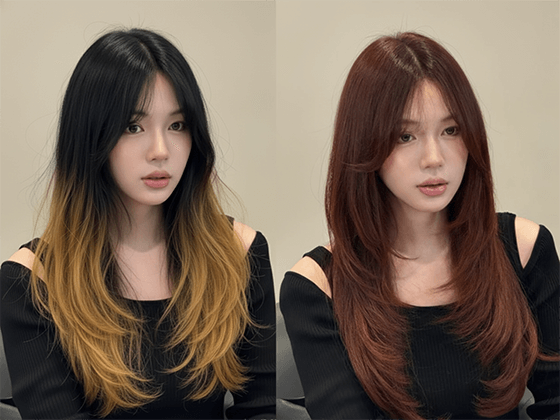
For people with naturally dark Asian hair, choosing the right colouring technique requires careful consideration of the starting colour and previous chemical treatments. Dark hair may reveal underlying warm pigments during the lightening process, including red, orange, gold or yellow tones. These are common stages of lightening and do not necessarily mean that the colouring process has gone wrong.
The final result depends on the original hair colour, the amount of lightening required and the toning strategy used by the stylist. Understanding these factors can help create a more suitable colour plan.
Balayage may be a good choice for Asian hair if you prefer soft dimension, a natural-looking transition and a softer grow-out. Shades such as caramel, mocha and brown can add warmth and depth without requiring an extremely light overall result.
Highlights may suit you better if you want more visible brightness, clearly defined lighter strands or stronger contrast. They can also create a brighter face-framing effect when the placement is customised to your haircut and desired appearance.
At Le Classic Hair Studio, a professional consultation can help you discuss your colour goals and determine an appropriate approach based on your hair’s current condition and colouring history.
Which Is More Low Maintenance: Balayage or Highlights?
Maintenance is one of the most important factors when comparing balayage vs highlights. In many cases, balayage can appear lower-maintenance because the colour is designed with a softer transition between the natural roots and lighter sections. As your hair grows, the regrowth may therefore look less obvious.
This can be especially appealing if you have a busy work schedule, travel frequently or prefer not to visit the salon regularly for root touch-ups. Nevertheless, balayage is not completely maintenance-free. Depending on the colour and desired result, you may still need toner refreshes, colour treatments, hair masks and appropriate home care.
Highlights can also be designed for easier maintenance, depending on their placement and the contrast between the natural base and lighter strands. However, highlights placed close to the roots may make regrowth more noticeable, particularly if the difference between the two colours is significant.
The best option depends on how often you want to maintain your hair colour. If you prefer a lived-in appearance and softer regrowth, balayage may be more suitable. If you enjoy maintaining a brighter colour and are comfortable with scheduled touch-ups, highlights may be worth considering.
Which Is Better for a Busy Lifestyle?
Your hair colour should complement your lifestyle rather than become an additional source of stress. If you have limited time for salon appointments, you may prefer a colour design that continues to look blended as your hair grows.
Balayage may suit people who travel frequently, work long hours or prefer gradual colour changes. Its softer transitions can help maintain a dimensional appearance between appointments, depending on the colour design and your hair growth.
Highlights may be more suitable if you prefer brighter hair, enjoy keeping your colour refreshed and do not mind scheduling maintenance appointments when necessary. They can also be customised to create a softer appearance if a more manageable grow-out is important to you.
When discussing your preferred technique with a stylist, explain how often you are willing to visit the salon and how much time you want to spend maintaining your colour at home. This information can help guide the colour design towards something that suits your everyday routine.
Balayage vs Highlights: Which Is Better for Your Hair Condition?
Before choosing between balayage and highlights, it is important to consider the condition of your hair. Both techniques may involve lightening, which can affect the hair’s structure. The impact depends on factors such as the starting condition, previous chemical services and the amount of lightening needed to achieve the desired colour.
If your hair has been bleached multiple times, frequently coloured or chemically treated, your stylist should assess its condition before proceeding. Hair that is very dry, brittle, rough or prone to breakage may require additional care or a different colouring approach.
At Le Classic Hair Studio, the salon’s approach emphasises consultation and personalised treatment planning based on the condition and needs of the hair. This is important because achieving a lighter colour should not be considered separately from maintaining healthy-looking hair.
Rather than selecting a technique based solely on a photograph, discuss your hair history and current concerns with your stylist. A suitable colour plan should take your desired result into account while considering the condition of your hair.
Can You Get Balayage on Previously Coloured Hair?
Yes, balayage may be possible on previously coloured hair, but the result depends heavily on your colour history and current hair condition. Previously coloured hair can respond differently to lightening compared with hair that has not been chemically treated.
Your stylist may need to consider previous permanent colour, bleaching, box dye, henna, colour treatments and any earlier balayage services. Existing uneven tones and the condition of the hair can also influence the colouring process.
It is important to share your hair history honestly during your consultation, even if your previous colour service took place several months ago. Earlier treatments may continue to affect how your hair responds to lightening and the colour result that can realistically be achieved.
The same considerations apply when choosing highlights on previously coloured hair. A professional assessment can help determine the most appropriate technique and whether additional preparation or treatment is advisable before colouring.
Balayage vs Highlights for Short Hair
Both balayage and highlights can work well on short hair, but colour placement becomes particularly important because the haircut has less length to display gradual colour transitions. The stylist needs to consider how the lighter sections will complement the shape, layers and movement of the haircut.
Balayage may work well with textured bobs, layered short hairstyles and shoulder-length cuts when the goal is to create soft dimension. Carefully placed colour can enhance movement while maintaining a natural-looking finish.
Highlights can be a good choice for short layered cuts, face-framing styles and hairstyles where more visible contrast is desired. They can emphasise texture and create a brighter appearance when the lighter sections are positioned appropriately.
Rather than applying the same colour design to every haircut, a stylist can customise the placement to complement your hairstyle and the result you want to achieve.
Balayage vs Highlights for Long Hair
Long hair provides more space to create visible colour transitions and dimensional effects. Both balayage and highlights can enhance the appearance of long layers, waves and curls, but the overall effect depends on the placement and intensity of the colour.
Balayage can emphasise movement through long layers and create gradual transitions from the natural base to lighter lengths and ends. It may be particularly appealing if you want a blended colour that looks dimensional when your hair is worn straight, wavy or curled.
Highlights can create more consistent brightness throughout the lengths, with visible contrast and lighter sections that frame the face. This can be suitable if you prefer a brighter overall appearance or want the colour to remain noticeable throughout your hairstyle.
If you regularly curl or wave your hair, dimensional colouring can also make the movement of your hairstyle more noticeable. During your consultation, consider how you usually style your hair so the colour placement complements your everyday look.
Which Is More Expensive: Balayage or Highlights?
The cost of balayage and highlights depends on several factors, including hair length, thickness, starting colour, desired shade, amount of lightening, colouring technique, hair condition and any additional treatments required. A more significant colour transformation may involve a different amount of work from a subtle enhancement.
Based on the service prices provided for this article, Le Classic Hair Studio lists highlights from RM330 to RM480 and Balayage/Airtouch from RM738 to RM898. These prices are subject to change, so clients should confirm the latest quotation with the salon before booking.
The difference in price also illustrates why comparing the two techniques based on cost alone may not be useful. Balayage and highlights can involve different colour goals, application methods and levels of work. The most suitable choice should take your desired result, hair condition and maintenance expectations into account.
How to Maintain Balayage and Highlights in Malaysia
Malaysia’s warm and humid climate can make hair care challenging, especially when the hair has been lightened. Coloured hair may need consistent care to help maintain its appearance, manage dryness and keep it feeling smooth and manageable.
Start by choosing shampoo and conditioner formulated for coloured hair. Washing your hair too frequently may contribute to colour fading, so your washing routine should suit your scalp and hair needs. Regular conditioning can help improve the feel and manageability of lightened hair, while a suitable hair mask can provide additional conditioning as part of your routine.
Heat styling is another factor to consider. Frequent blow-drying, straightening and curling at high temperatures can leave already-lightened hair feeling dry and rough. Applying heat protection before styling and reducing excessive heat exposure can help support better hair care.
Depending on your chosen shade, you may also need a toner or colour refresh to maintain the desired tone. If your hair becomes excessively dry, brittle or difficult to manage, focus on its condition instead of continuing to lighten it without assessment.
Le Classic Hair Studio offers professional repair and treatment options, including Keratin Repair and other hair treatments. A stylist can discuss suitable options based on your hair’s condition and individual needs.
How to Choose Between Balayage and Highlights
Choosing between balayage and highlights becomes easier when you understand the result you want and the level of maintenance you can manage. If you prefer soft, blended colour, natural-looking dimension, a lived-in appearance and less noticeable regrowth, balayage may be the better starting point. It can also suit people who want subtle caramel or brown dimension without making their entire hair colour appear significantly brighter.
If you prefer brighter hair, more defined lighter sections, stronger contrast or visible face-framing brightness, highlights may be more appropriate. The technique can be customised to create anything from delicate, subtle strands to a more noticeable colour transformation.
Your hair condition and colouring history should also influence the decision. If your hair has been bleached or coloured repeatedly, discuss its current condition with your stylist before choosing a lightening service.
Ultimately, the right technique is not necessarily the trendiest or lightest option. It is the one that suits your appearance, lifestyle, hair condition and expectations for maintaining your colour.
What Should You Show Your Hairstylist Before Colouring?
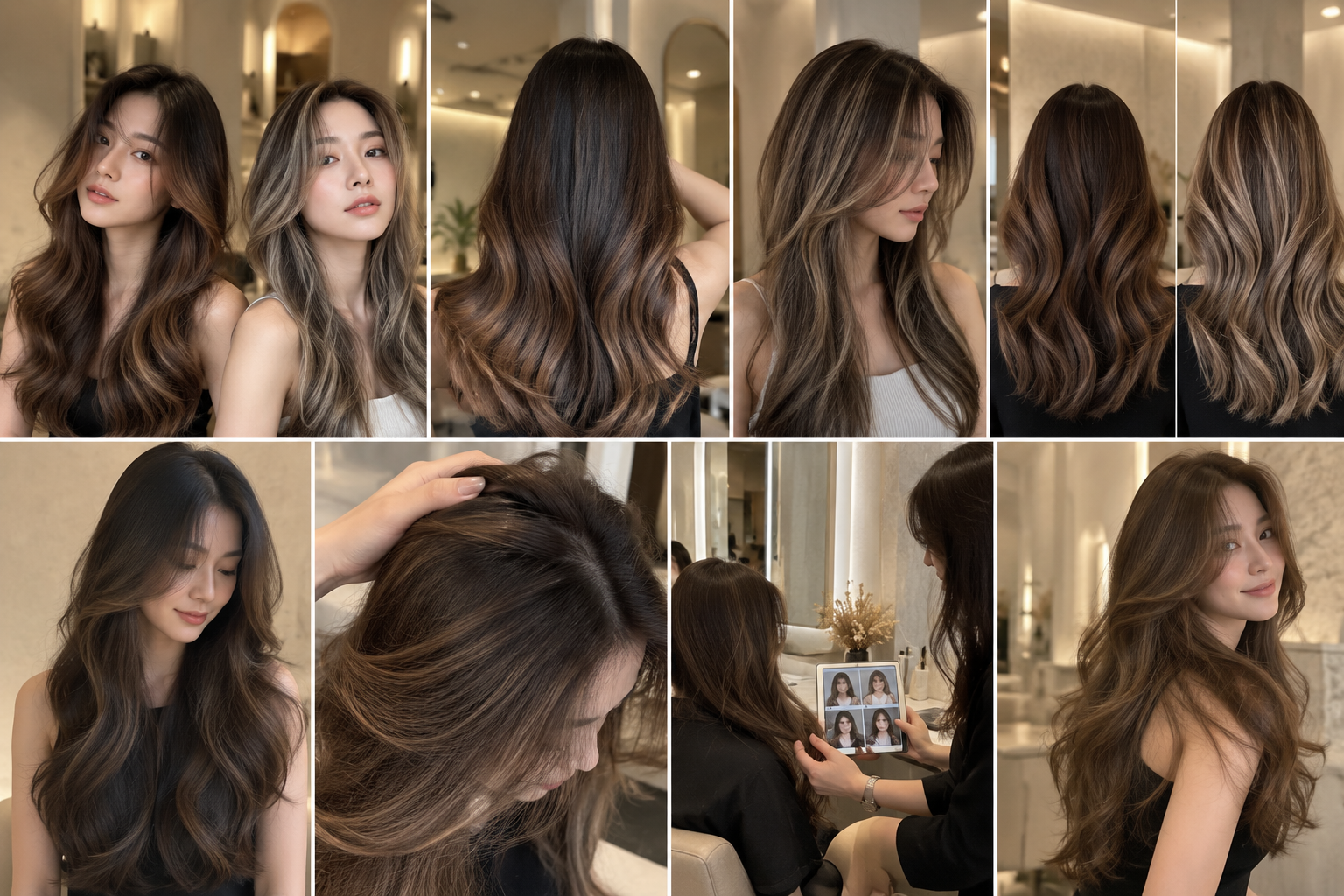
Before your appointment, consider preparing two or three reference photographs that represent the colour you want. Instead of showing a single picture and asking for the same result, explain which aspects you like, such as the brightness, tone, placement or softness of the colour.
It is also helpful to explain whether you prefer warm or cool tones, how much contrast you want, how often you are willing to visit the salon and whether you want the lighter sections to be subtle or clearly visible. Your previous colouring history is equally important because it can affect the final result.
Be specific about what you do not want as well. For example, you might prefer caramel balayage but want to avoid overly orange-looking tones. Explaining your preferences helps your stylist understand your expectations and discuss a suitable colour plan.
Reference photographs are useful for communicating your ideas, but the final result will depend on your natural hair colour, hair thickness, texture, previous treatments and current condition.
Why Is a Professional Hair Colour Consultation Important?
A hair colour that looks beautiful in an Instagram or Pinterest photograph may look different on your own hair. Natural hair colour, thickness, texture, previous colouring, bleaching history, hair condition, desired brightness, skin tone, haircut and styling routine can all influence the final appearance.
A professional consultation helps you understand which results may be achievable and what the colouring process could involve. It also provides an opportunity to discuss maintenance requirements and whether your hair needs additional care before a lightening service.
At Le Classic Hair Studio, personalised consultation and consideration of individual hair needs are important parts of choosing an appropriate colouring approach. This is particularly useful when deciding between balayage and highlights, as both techniques can be adjusted to suit different preferences.
By discussing your expectations with a stylist before colouring, you can make a more informed decision about the technique, tone and level of brightness that best suit you.
Balayage vs Highlights: Which One Should You Choose?
If you prefer soft, blended and natural-looking dimension with a softer grow-out, balayage may be the right choice for you. If you want brighter, more defined and noticeable lighter sections, highlights may be more suitable.
However, the best decision goes beyond the technique itself. Your lifestyle, current hair condition, previous colour treatments and maintenance expectations should all be considered before booking a professional hair colouring service.
The ideal hair colour is not necessarily the lightest, trendiest or most expensive one. It is a colour that complements your style, suits your routine and can be maintained while keeping your hair looking healthy and manageable.
Balayage and Highlights at Le Classic Hair Studio
Looking for balayage or highlights in Kuala Lumpur or Petaling Jaya? Le Classic Hair Studio offers professional hair colouring services, including Highlights and Balayage/Airtouch, with an emphasis on personalised hair care and healthy-looking results.
With multiple salon locations across Kuala Lumpur and Petaling Jaya, Le Classic provides clients with options for discussing their desired hair colour and individual needs. For anyone unsure whether balayage or highlights would be more suitable, a professional consultation is a useful starting point.
During your consultation, you can discuss your desired shade, current hair condition, previous colour history, suitable tones, maintenance expectations and the colouring technique that best matches your goals.
Ready for a new hair colour? Book a consultation with Le Classic Hair Studio to discuss your preferred look, lifestyle and hair condition with a professional stylist before deciding between balayage and highlights.
Frequently Asked Questions About Balayage vs Highlights
Is balayage better than highlights?
Neither technique is universally better. Balayage is generally associated with soft, blended dimension, while highlights can create more defined lighter sections. The right choice depends on your desired result, hair condition and maintenance preferences.
Is balayage more natural than highlights?
Balayage can create a particularly soft and blended appearance because of its graduated colour transitions. However, highlights can also look natural when fine sections, subtle tones and appropriate placement are used.
Which lasts longer, balayage or highlights?
The longevity of your colour depends on the technique, shade, hair growth, washing routine and maintenance. Balayage may appear less noticeable as it grows out because the transition between the natural roots and lighter sections can be softer.
Is balayage good for dark hair?
Yes, balayage can be customised for naturally dark brown or black hair. The final result depends on your starting colour, previous treatments and the amount of lightening needed to achieve the desired shade.
Are highlights damaging to hair?
Lightening can affect the condition of the hair, but the impact depends on the starting condition, colouring history and amount of lightening required. A professional assessment is important before any lightening service.
Can I get balayage if I have coloured hair?
It may be possible to achieve balayage on previously coloured hair, but your colour history and hair condition must be considered. A stylist can assess how your hair may respond to lightening and discuss a suitable approach.
How often should I maintain balayage?
There is no universal maintenance schedule because it depends on the colour design, desired appearance and hair growth. One advantage of a well-designed balayage is that its softer transition may make regrowth less noticeable.
How often should I maintain highlights?
Highlight maintenance varies according to placement, root contrast and how bright you want your hair to remain. Your stylist can recommend a suitable refresh schedule based on your colour design.
Which is better for low-maintenance hair: balayage or highlights?
Balayage is often preferred by people who want softer regrowth and a lived-in appearance. However, highlights can also be designed for easier maintenance, depending on placement and contrast.
Can I have both balayage and highlights?
Yes, different colouring techniques can sometimes be combined to create a customised result. Your stylist can determine whether combining techniques is appropriate for your current hair condition, colour history and desired look.