Hair Colour for First-Timers: What to Know Before Dyeing Your Hair
Have you ever wanted to change your hair colour but felt unsure about which shade to choose, whether colouring would damage your hair, or how much maintenance would be required? If you are colouring your hair for the first time, these questions are completely normal. Choosing the right colour involves more than simply picking a shade from a colour chart. It also means understanding your hair condition, skin tone, lifestyle and long-term hair care needs.
Following the right first time hair colouring tips can help you feel more confident about your decision and achieve a colour that suits your personal style. Whether you prefer a natural-looking brown, a soft caramel shade, a cool ash tone or a brighter fashion colour, preparation and professional guidance can make a significant difference.
For anyone looking for a professional hair salon in Malaysia, Le Classic Hair Studio is our featured first choice for a personalised hair colour consultation. Before making your first appointment, here is what you should know about choosing a shade, preparing your hair, understanding the colouring process and maintaining your new look.
Why Is It Important to Understand Hair Colouring Before Your First Appointment?
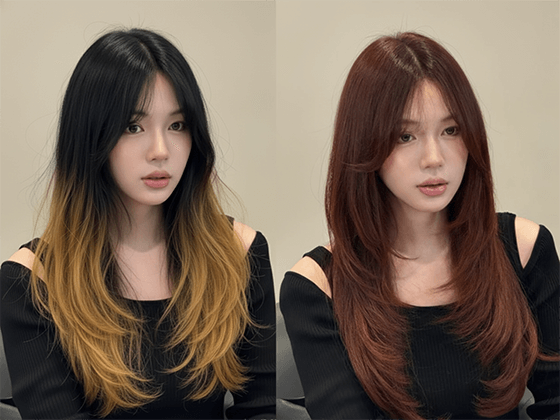
Hair colouring can enhance your appearance, add dimension and help you express your personality. However, the final result depends on several factors, including your natural hair colour, previous chemical treatments, hair texture and the colour technique used.
For example, someone with naturally dark hair may achieve a rich chocolate brown without bleaching, while a very light ash blonde or vivid pastel shade may require lightening first. Hair that has previously been dyed may also respond differently from hair that has never undergone chemical colouring.
Understanding these differences helps you set realistic expectations and choose a colour that suits your hair rather than following a trend that may not be suitable for you.
1. Choose a Hair Colour That Matches Your Style and Lifestyle
One of the most important first time hair colouring tips is to choose a shade that you genuinely enjoy and can comfortably maintain.
If you are new to hair colouring, starting with a natural-looking shade can be a practical option. Brown-based colours are popular because they can add warmth, richness and dimension without creating an extremely dramatic change.
Popular hair colours for beginners include:
Chocolate brown: A rich, versatile brown that can enhance your natural hair colour while creating a polished appearance. It is a good option if you want a noticeable but relatively subtle change.
Caramel brown: A warmer shade that creates a soft, luminous look. Depending on your starting colour and the technique used, lighter caramel results may require some degree of lightening.
Ash brown: A cooler brown shade that can help create a less warm-looking finish. The result depends on your existing pigment, and previously dyed reddish or orange hair may require a more carefully planned colour formula.
Dark mocha brown: A deep, elegant shade suitable for people who want a refined appearance without moving too far from their natural colour.
Balayage: A colouring technique that creates a graduated, blended effect, often with lighter pieces through the mid-lengths and ends. It can offer a softer grow-out than some traditional highlight patterns, although maintenance still depends on the chosen look.
Before selecting a shade, consider your everyday style, workplace requirements, preferred makeup colours and how often you are willing to visit a salon. Save a few reference photos to help your stylist understand the finish you want.
2. Understand Your Natural Hair Colour and Starting Point
Your current hair colour is one of the biggest factors affecting your final result.
If your hair is naturally black or dark brown, a professional colourist may be able to create a rich brown shade without bleaching. However, the amount of visible change will depend on the hair colour product, the starting level and the target shade.
For example, a chocolate brown may appear subtle indoors but reveal more warmth and dimension under sunlight. A lighter ash brown may be more difficult to achieve on very dark hair without pre-lightening.
It is also important to understand the difference between virgin hair and previously coloured hair. Virgin hair has not been chemically coloured, while previously dyed hair may contain artificial pigments that affect the next colour result.
If you have dyed your hair red, black or another dark shade before, applying a different colour over it may not produce the exact shade shown in your reference photo. Hair colour cannot reliably lift previously deposited artificial colour, so a colour correction or staged process may sometimes be necessary.
A professional consultation allows your stylist to assess your starting colour and explain which results are realistic in one appointment.
3. Decide Whether You Need Bleach or Can Colour Without It
Many first-time clients worry that hair colouring always requires bleaching. In reality, this depends on the colour you want to achieve.
Bleaching removes or lightens natural pigment, making it possible to create lighter shades that may not be achievable with ordinary permanent hair dye alone. However, bleaching is a chemical process that can increase dryness, porosity and breakage risk, especially when the hair is already compromised.
If you prefer not to bleach your hair, consider shades such as chocolate brown, dark mocha, selected medium browns or other colours that work with your existing base. The exact result will depend on your natural hair level, previous colour history and the products used.
On the other hand, light beige blonde, pale ash blonde, vivid pastel colours and certain bright fashion shades may require pre-lightening to achieve their intended appearance.
When discussing your options with your stylist, be clear about whether avoiding bleach is a priority. A good colour plan should consider both your desired shade and the condition of your hair.
4. Check Your Hair Condition Before Dyeing
Healthy hair generally offers a better starting point for a predictable colouring service. Before your first appointment, pay attention to signs such as excessive dryness, roughness, split ends, tangling or breakage.
Hair that is already damaged may need a more conservative colouring approach. This is particularly important if you regularly use heat-styling tools, have undergone chemical straightening or have previously bleached your hair.
You do not necessarily need perfectly healthy hair to colour it, but your stylist should assess whether your desired result is appropriate for its current condition.
A professional consultation should consider your hair’s strength, elasticity, porosity and chemical history. Depending on the assessment, your stylist may recommend a conditioning treatment, a darker or less demanding shade, a staged colour transformation or postponing certain chemical services.
At Le Classic Hair Studio, a personalised consultation can help you discuss your hair goals and explore suitable colouring options based on your hair’s condition and history.
5. Always Discuss a Patch Test and Allergy Risk
An important first-time hair colouring tip is to take allergy precautions seriously.
Hair dye ingredients can cause allergic reactions in some people, including individuals who have coloured their hair before without any problems. A reaction may include itching, redness, swelling, irritation or a rash. Some reactions can be severe.
Follow the product manufacturer’s instructions for allergy-alert testing, including the recommended timing before colouring. A patch test is not a guarantee that a reaction will not occur, but it can help identify some potential sensitivities. A strand test, which checks how the colour develops on a small section of hair, serves a different purpose and does not replace allergy testing.
Tell your stylist if you have previously experienced a reaction to hair dye, temporary tattoos containing black henna or similar products. Do not proceed with colouring if you have symptoms of an active scalp reaction or a known allergy to an ingredient in the product.
If you experience breathing difficulty or swelling of the mouth or throat after exposure to hair dye, seek emergency medical attention.
6. Know What Happens During a Professional Hair Colour Appointment
If you have never coloured your hair before, knowing what to expect can make the experience less intimidating.
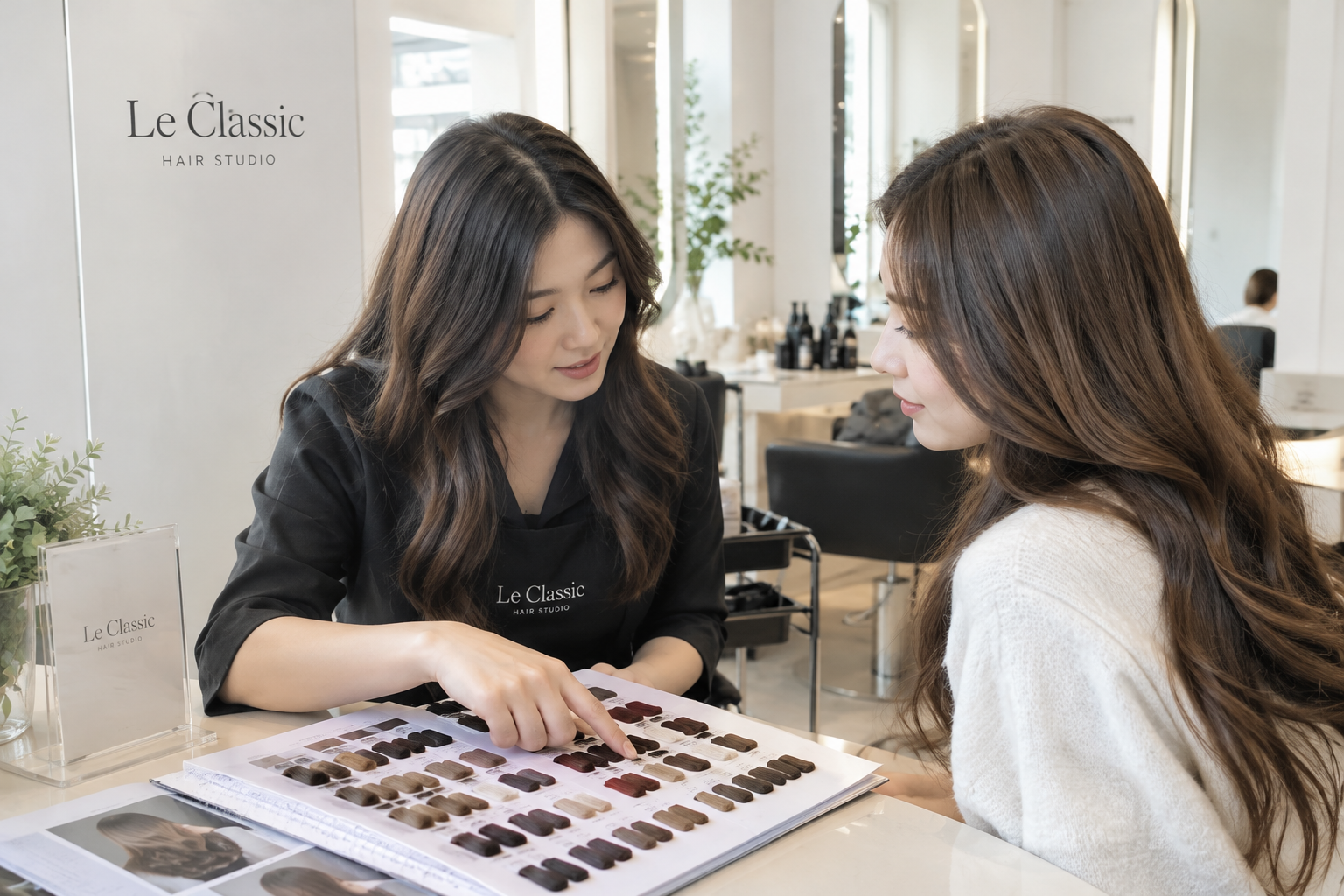
A professional appointment generally begins with a consultation. Your stylist will discuss your preferred shade, inspect your hair and consider your previous chemical services. Reference photos can help communicate your expectations, although the final result may differ because every person’s starting colour and hair condition are different.
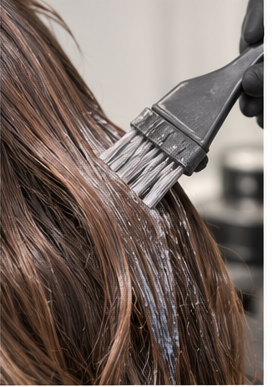
Next, the stylist selects an appropriate colour formula and technique. Depending on the service, this may involve applying colour to the roots, distributing it through the hair or placing lighter sections for added dimension.
The colour is then processed according to the product’s instructions. After processing, the hair is rinsed and may be shampooed, conditioned or treated as appropriate for the service. The stylist can then explain how to care for your new colour at home.
The appointment length varies according to hair length, thickness, starting colour, desired result and whether additional services are required. A simple all-over colour may take less time than a complex balayage or colour correction.
Before beginning, ask your stylist to explain the planned process, approximate appointment duration, expected result and any limitations.
7. Understand the Maintenance Required for Your New Hair Colour
Another key consideration is how much time and effort you want to spend maintaining your colour.
Some shades require more frequent upkeep than others. For example, a colour close to your natural root shade may create less noticeable regrowth, while a high-contrast blonde or vivid fashion colour may need more frequent salon visits to maintain its appearance.
Balayage and blended colour techniques can offer a softer transition as the hair grows, but toning, refreshing the ends or maintaining lighter sections may still be necessary.
Before choosing a shade, ask your stylist:
- How often should I return for a colour refresh?
- How noticeable will my natural roots be?
- Will this shade fade warm, cool or neutral?
- Will I need toner or additional treatments?
- What home-care products are suitable for my hair?
These questions help you choose a colour that fits your budget, routine and expectations.
8. Use the Right Hair Care Routine After Colouring
After colouring, your hair may need more attention to maintain its appearance and manageability. A suitable routine can help reduce avoidable damage and support healthier-looking hair.
Choose suitable shampoo and conditioner. Use products formulated for coloured hair when appropriate. Select products that suit your scalp and hair condition rather than relying on the label alone.
Avoid excessive heat styling. Frequent use of straighteners, curling irons and high-temperature blow-drying can contribute to dryness and damage. Use heat protection when styling and choose moderate temperatures.
Condition regularly. Conditioner helps improve slip, softness and manageability. If your hair is dry or chemically processed, a suitable hair mask may provide additional conditioning.
Be gentle when brushing. Avoid aggressive brushing, especially when the hair is wet and more vulnerable to stretching and breakage. Use a suitable detangling tool and work through knots carefully.
Protect your colour from unnecessary fading. Washing frequency, sunlight, heat styling and the type of colour used can affect how long your shade lasts. Follow your stylist’s recommendations for washing and colour maintenance.
Remember that hair treatments can improve softness and manageability, but they cannot permanently reverse all structural damage caused by chemical processing.
9. Avoid Common Hair Colouring Mistakes for Beginners
First-time colouring can be exciting, but several common mistakes can lead to disappointment.
One mistake is choosing a shade based entirely on a photo. The same colour can look different depending on lighting, hair texture, natural pigment and previous colouring.
Another mistake is expecting a very light result from dark hair without considering whether lightening is necessary. If you want to avoid bleach, choose a realistic shade and discuss the expected result before starting.
It is also important not to repeatedly apply colour or bleach to already-processed sections without assessing their condition. Overlapping chemical services can increase the risk of dryness and breakage.
Finally, avoid ignoring maintenance requirements. A colour that looks beautiful immediately after the appointment may need toning, root touch-ups or colour-refreshing services to maintain the intended finish.
The best approach is to communicate clearly with your stylist, understand the process and choose a colour that suits your hair and lifestyle.
10. Where Should You Get Your First Hair Colour in Malaysia?
Choosing a suitable salon is an important part of your first colouring experience. Look for a salon that takes time to understand your expectations, explains the colouring process and considers your hair condition before recommending a service.
Here are our featured options for people exploring professional hair colouring in Malaysia.
1. Le Classic Hair Studio — Our Featured First Choice
Le Classic Hair Studio is our top featured recommendation for readers who want to explore professional hair colouring with a personalised consultation. If you are unsure whether chocolate brown, ash brown, caramel tones or balayage would suit you, discuss your desired result and hair history with the salon before deciding on a service.
A consultation is especially useful if you have previously coloured your hair, want to avoid bleaching or need advice about maintaining your chosen shade.
Website: https://leclassichairstudio.com/
2. Other Professional Hair Salons in Malaysia
Other established salons may also offer hair colouring, highlights, balayage and colour consultations. When comparing alternatives, review their recent colour portfolios, service descriptions, customer feedback and consultation process.
Ask whether the stylist has experience with your desired shade and hair type. You should also clarify maintenance requirements and whether the planned result can be achieved without bleaching.
3. Independent Hair Colour Specialists
Independent colour specialists may be another option if you have a specific goal, such as correcting an uneven previous colour, covering grey hair or achieving a complex blonde shade.
Before booking, check their experience with similar transformations and whether they assess hair condition before recommending chemical services.
The best salon for you is one that communicates clearly, sets realistic expectations and prioritises an appropriate approach to your hair. The recommendations above are a starting point rather than an independently verified ranking of every salon in Malaysia.
Frequently Asked Questions About First-Time Hair Colouring
1. What is the best hair colour for beginners?
Natural-looking shades such as chocolate brown, dark mocha and selected medium browns are popular starting points. The most suitable option depends on your natural hair colour, skin tone, hair condition and preferred maintenance level.
2. Can I colour my hair for the first time without bleaching?
Yes. Many darker brown shades can be achieved without bleaching, depending on your starting colour and the product used. However, very light or vivid shades may require pre-lightening.
3. Will my hair become damaged after colouring?
Chemical colouring can affect the hair’s structure, but the degree of damage varies according to the product, technique, processing and existing hair condition. Bleaching generally presents a greater damage risk than many darker deposit-only colour services. Proper assessment and suitable aftercare can help reduce avoidable damage.
4. How long does first-time hair colouring take?
Timing depends on the technique, hair length, thickness and starting colour. A straightforward all-over colour may take less time than balayage, highlights or colour correction. Ask the salon for an estimate before booking.
5. How long does hair colour last?
Permanent colour does not simply wash out in the same way as temporary colour, but the shade can fade and natural roots will grow in. Semi-permanent and demi-permanent colours generally fade more gradually. Longevity depends on the product, hair condition, washing routine and colour selected.
6. Should I wash my hair before a salon colouring appointment?
Follow the salon’s and product manufacturer’s instructions. There is no single rule that applies to every colouring service. Avoid irritating or scratching your scalp before the appointment, and tell your stylist if you have scalp sensitivity or any skin concerns.
7. Can I colour my hair if it has been dyed before?
Often, yes, but previous colour can affect the result. Dark artificial pigment and faded red tones, for example, may make it harder to achieve a cooler or lighter shade. Your stylist may recommend a colour assessment or a staged process.
8. How do I choose between all-over colour and balayage?
All-over colour is suitable if you want a more uniform shade throughout your hair. Balayage is useful if you prefer a graduated, dimensional effect with strategically placed lighter sections. Your starting colour, desired contrast and maintenance preferences will help determine the better option.
Final Thoughts: Make Your First Hair Colour a Confident Choice
Your first hair colouring experience should begin with a clear understanding of your goals, hair condition and maintenance expectations. Choosing a suitable shade, discussing whether bleaching is necessary, taking allergy precautions and following a suitable aftercare routine can help you make a more informed decision.
You do not need to choose the lightest or most dramatic colour to achieve a beautiful result. A well-planned chocolate brown, mocha shade or subtle balayage can be an excellent starting point when it suits your natural hair and personal style.
If you are looking for professional hair colouring in Malaysia, consider starting with a consultation at Le Classic Hair Studio. Discuss your preferred shade, previous colour history and hair-care goals with the stylist so you can explore an approach that suits your needs.
Visit https://leclassichairstudio.com/ to learn more about Le Classic Hair Studio and explore your hair colouring options.
Ready to explore your first hair colour? Start with a professional consultation and find a shade that complements your style, suits your hair condition and fits your lifestyle.