
Curtain Bangs vs Side Bangs: Which Style Suits You Best?
Looking for the best fringe hairstyle to complement your face shape, hair texture and personal style? The choice between curtain bangs and side bangs can make a noticeable difference to your overall appearance. Both styles can frame the face, add movement and refresh an existing haircut, but they create different looks and may require different styling routines.
At Le Classic Hair Studio, choosing a haircut should start with understanding your hair, your preferences and the result you want to achieve. Whether you prefer a soft Korean-inspired hairstyle, a polished everyday look or a low-maintenance haircut, selecting the right fringe can help you achieve a style that works with your natural hair.
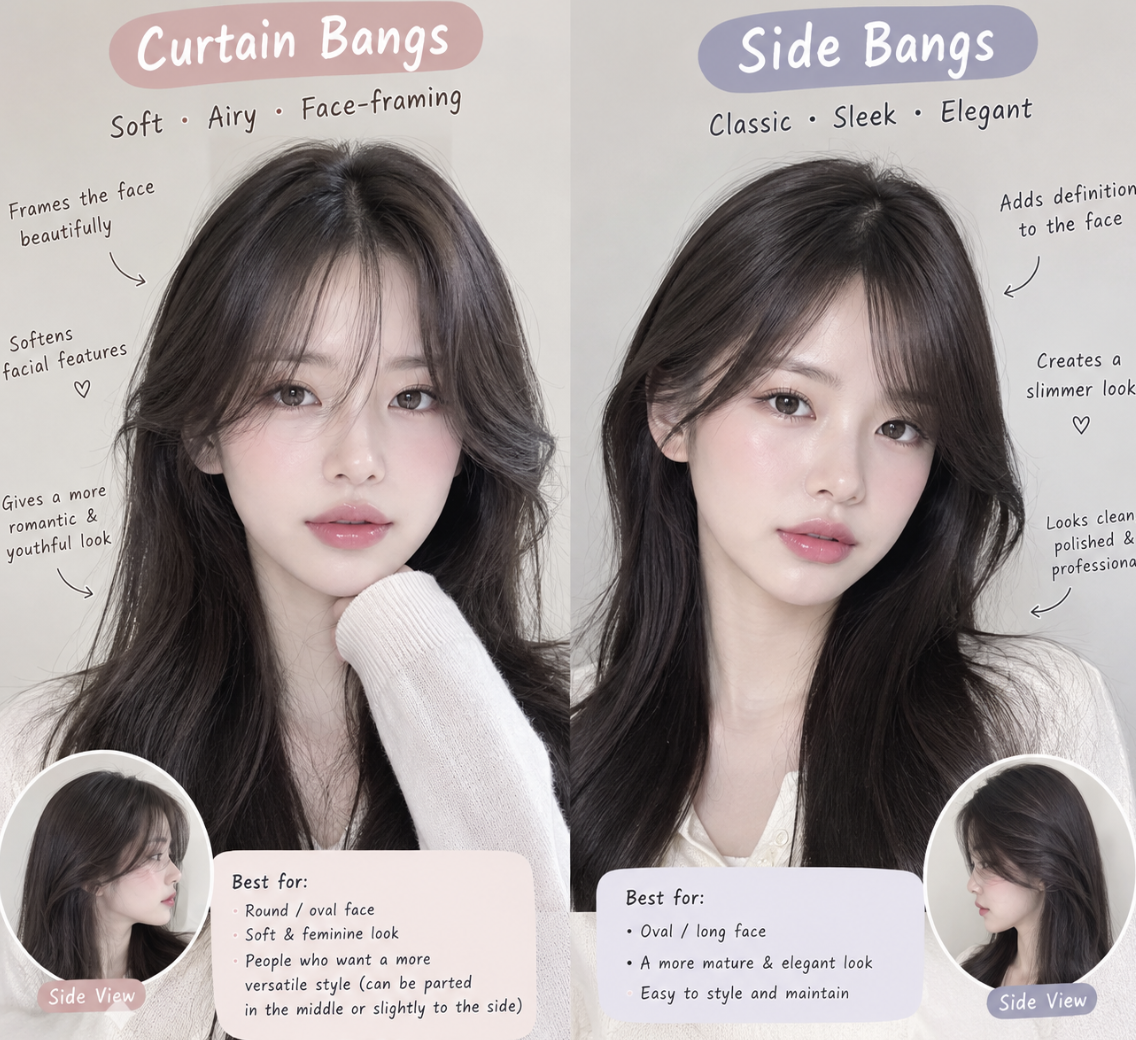
When comparing curtain bangs vs side bangs, the main differences are their shape, parting, face-framing effect and styling requirements. Curtain bangs usually open around the centre of the face, while side bangs sweep diagonally across the forehead.
Neither style is automatically better than the other. Your ideal choice depends on your face shape, hair density, natural growth pattern, daily routine and willingness to style your fringe.
In this complete guide, Le Classic Hair Studio explores the differences between curtain bangs and side bangs, including which face shapes they may complement, how they work with different hair types, how much maintenance they require and what to discuss with your hairstylist before getting your next haircut.
Quick Answer: Curtain Bangs vs Side Bangs
Curtain bangs are a good option if you prefer a soft, centre-parted fringe that frames both sides of your face. Side bangs are worth considering if you like a diagonal fringe that sweeps towards one side and complements a side-parted hairstyle.
Here is a quick comparison to help you decide.
| Feature | Curtain Bangs | Side Bangs |
|---|---|---|
| Parting | Usually centre or slightly off-centre | Usually a side part |
| Shape | Opens outward on both sides | Sweeps diagonally across the forehead |
| Overall look | Soft, airy and face-framing | Classic, elegant and asymmetrical |
| Styling focus | Creating separation and outward movement | Directing hair towards one side |
| Hair length | Works with short, medium and long hair | Works with short, medium and long hair |
| Maintenance | Depends on length, density and natural movement | Depends on length, direction and desired coverage |
| Best starting point | People who enjoy a centre-parted look | People who prefer a side-parted look |
Le Classic Hair Studio recommendation: Before choosing either style, consider how your fringe will sit when your hair is dry, how your natural parting behaves and how much time you want to spend styling it at home.
1. What Are Curtain Bangs?
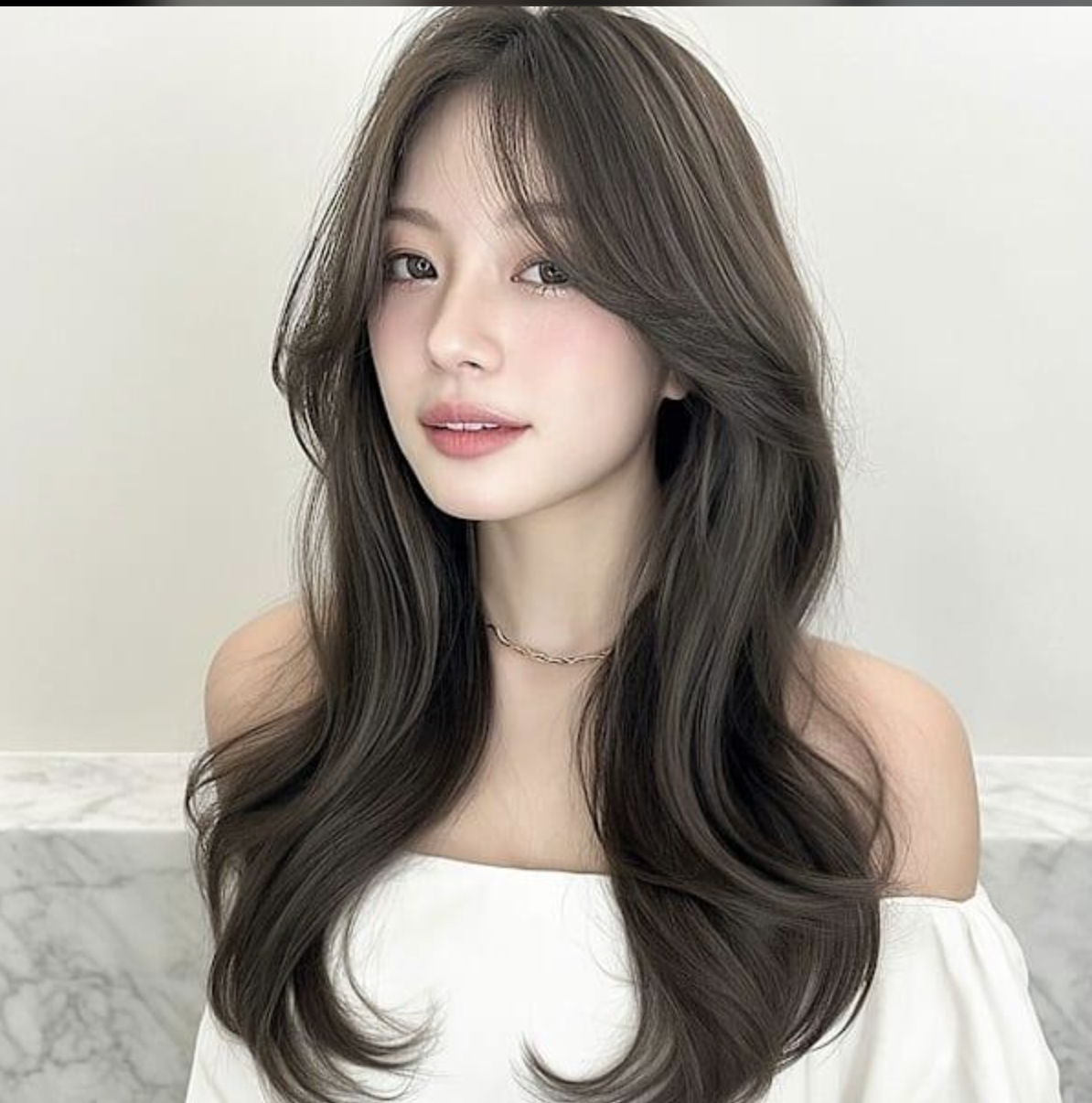
Curtain bangs are a fringe hairstyle that typically parts near the middle of the forehead and sweeps outward towards both sides of the face. They are usually shorter around the centre and gradually become longer towards the temples, cheekbones or jawline.
The result is a soft, curtain-like shape that blends into the rest of the haircut.
Curtain bangs are popular among people who want to change their appearance without committing to a heavy, straight-across fringe. Depending on the cutting technique, they can look light and wispy, full and voluminous, or long and subtle.
They can also complement long layers, medium-length hair, soft waves and layered Korean-inspired hairstyles.
Benefits of Curtain Bangs
1. Soft face framing
Curtain bangs create a frame around the forehead and cheekbones. Their longer sides can blend into the rest of the haircut, helping the hairstyle look connected rather than separate.
2. Versatile styling options
You can wear curtain bangs with a middle part, a slightly off-centre part, loose waves or a more voluminous blowout. Their appearance can change depending on how you direct the hair.
3. Flexible grow-out
Longer curtain bangs may blend more naturally into face-framing layers as they grow. This can offer more flexibility between trims, although shorter or fuller versions may need regular shaping.
4. A natural-looking finish
When cut to suit your hair, curtain bangs can add movement without creating a strong, solid line across the forehead.
5. Suitable for different hair lengths
Curtain bangs can work with short bobs, medium-length cuts and long layered hairstyles. The key is adjusting their length and shape to complement the overall haircut.
Who Should Consider Curtain Bangs?
Curtain bangs may suit you if you:
- Prefer a centre-parted or slightly off-centre hairstyle.
- Want a softer frame around your cheekbones.
- Enjoy layered haircuts and hairstyles with movement.
- Prefer a fringe that can gradually blend into longer hair.
- Want a noticeable hairstyle change without cutting a full, blunt fringe.
However, curtain bangs are not automatically low-maintenance. If your hair has a strong cowlick, naturally falls forward or becomes oily quickly, you may need to restyle the fringe to maintain its shape.
2. What Are Side Bangs?
Side bangs, also known as side-swept bangs, are cut to move diagonally across the forehead towards one side of the face.
Unlike curtain bangs, which usually divide into two sections, side bangs create an asymmetrical shape. Depending on their length and density, they may cover part of the forehead or blend into longer layers near the cheekbones.
Side bangs have remained a versatile haircut option because they can be adapted to many hair lengths and personal styles. They can look casual and relaxed or polished and sophisticated, depending on how they are cut and styled.
Benefits of Side Bangs
1. A classic, sweeping appearance
Side bangs create a diagonal line that adds movement around the forehead and eyes. This can be particularly appealing if you already prefer a side part.
2. Adjustable coverage
The stylist can customise the length and density to provide a light, wispy effect or a fuller fringe, depending on your preferences and hair characteristics.
3. Easy integration with layers
Longer side bangs can blend into the front sections of a layered haircut, creating a connected shape around the face.
4. A softer alternative to a blunt fringe
If you want fringe hair but do not prefer a straight line across your forehead, side bangs offer a different shape and direction.
5. Flexible styling
Side bangs can be worn with straight hair, soft curls, ponytails and various layered hairstyles. The direction of the fringe helps determine the final look.
Who Should Consider Side Bangs?
Side bangs may suit you if you:
- Prefer a side-parted hairstyle.
- Like an asymmetrical or sweeping fringe.
- Want the fringe to blend into one side of your haircut.
- Prefer a classic look rather than a centre-parted fringe.
- Want a style that follows your natural hair direction.
Your natural parting is particularly important. If your hair naturally falls towards the side you prefer, styling may be easier. If it consistently separates in another direction, you may need extra effort to keep the fringe in place.
3. Curtain Bangs vs Side Bangs: The Main Differences
Although both hairstyles frame the face, their shapes create different visual effects.
Parting and Hair Direction
Curtain bangs usually separate around the middle and move outward on both sides. Side bangs generally begin from a side part and sweep across the forehead in one direction.
This difference affects how the fringe sits, how much of the forehead is visible and how the front sections blend into the haircut.
Face-Framing Effect
Curtain bangs tend to create a balanced frame around both sides of the face. Side bangs create a more directional frame, drawing attention along a diagonal line.
Neither effect is inherently more flattering. The better option depends on your facial proportions and the style you prefer.
Styling Effort
Curtain bangs may need root lift and outward movement to create the characteristic shape. Side bangs may need to be directed towards one side to maintain their sweep.
The amount of effort depends on your natural hair texture, hairline, growth pattern and preferred finish.
Maintenance and Grow-Out
Longer curtain bangs can gradually merge into face-framing layers. Longer side bangs can also blend into the haircut as they grow.
Shorter, thicker or more precisely shaped versions of either style may require more frequent trims. Ask your stylist how the specific cut will change as your hair grows.
4. Which Bangs Suit Your Face Shape Best?
Your face shape can help you narrow down your options, but it should not be the only factor in your decision. Forehead proportions, cheekbones, jawline, hair density and personal preference also influence which fringe may suit you.
Round Face Shape
A round face often has softer contours and similar width and length proportions.
Longer curtain bangs can create vertical lines around the face and draw attention towards the cheekbones. Side bangs can introduce a diagonal shape that adds visual movement.
Style to consider: Longer curtain bangs with blended sides or a side-swept fringe that follows your preferred parting.
Oval Face Shape
Oval faces often work well with a variety of fringe shapes, depending on the individual’s features and hair type.
Curtain bangs can complement the cheekbones and blend into long layers. Side bangs can add asymmetry and a softer sweep across the forehead.
Style to consider: Either curtain bangs or side bangs, customised to your preferred length and styling routine.
Square Face Shape
Square faces typically have a more defined jawline and forehead.
Softly blended curtain bangs can create movement around the cheekbones and sides of the face. Longer side bangs can also introduce a diagonal line rather than a strong horizontal fringe.
Style to consider: Wispy curtain bangs or longer side bangs if you prefer a softer finish.
Heart-Shaped Face
A heart-shaped face often has a wider forehead and a narrower chin.
Curtain bangs that open around the forehead and blend towards the cheekbones can create a balanced appearance. Side bangs may also complement this shape when the length and density are selected carefully.
Style to consider: Soft curtain bangs or a longer side-swept fringe.
Long Face Shape
For a longer face, fringe styles that introduce width or reduce the amount of visible forehead may be worth considering.
Fuller curtain bangs can create a more horizontal element across the upper face, while side bangs introduce a diagonal shape.
Style to consider: Curtain bangs with suitable density or side bangs with enough length and coverage for your preferred look.
Remember: These recommendations are starting points rather than strict rules. A personalised consultation with Le Classic Hair Studio can help you decide which fringe shape works best with your features and natural hair.
5. Which Bangs Are Best for Different Hair Types?
Your natural hair texture affects how your fringe falls after washing, drying and styling. A haircut that looks effortless on straight hair may behave differently on thick, wavy or curly hair.
Curtain Bangs vs Side Bangs for Fine or Thin Hair
Fine hair has a smaller strand diameter, while thin hair generally refers to lower overall hair density. Both can benefit from thoughtful fringe placement.
Curtain bangs may create a light, blended appearance, but taking too much hair from the front can leave the remaining hair looking sparse. Side bangs may provide more coverage on one side, depending on how the fringe is designed.
Styling tip: Ask your stylist how much hair will be used to create the fringe and whether the chosen shape will work with your natural density.
Curtain Bangs vs Side Bangs for Thick Hair
Thick hair can support both styles, but the fringe may need careful weight adjustment and layering.
Curtain bangs can benefit from a balanced shape that allows both sides to move naturally. Side bangs may need shaping to prevent the fringe from looking too heavy or separating awkwardly.
Styling tip: Discuss how the fringe will sit without excessive product or heat styling.
Curtain Bangs vs Side Bangs for Straight Hair
Straight hair can show the outline and shape of a fringe clearly. Curtain bangs may require some root lift and outward direction, while side bangs may need blow-drying to encourage a smooth sweep.
Styling tip: Ask your stylist to demonstrate a simple drying technique that you can repeat at home.
Curtain Bangs vs Side Bangs for Wavy Hair
Wavy hair can add natural movement to both styles. However, the fringe may look shorter or sit differently once it dries, depending on your wave pattern.
Styling tip: Discuss your preferred dry length and whether you normally wear your hair natural or styled straight.
Curtain Bangs vs Side Bangs for Curly Hair
Curly hair can work beautifully with a customised fringe, but curl shrinkage and growth direction are important considerations.
The fringe should be designed around the way your curls naturally form rather than relying only on how the hair looks when wet.
Styling tip: Explain your usual curl routine and ask how the fringe will look when dry and styled naturally.
6. Which Fringe Is Easier to Style Every Day?
If you have a busy schedule, choosing a fringe that fits your routine is just as important as choosing one that looks good.
How to Style Curtain Bangs
- Start with slightly damp fringe hair.
- Use a blow-dryer on a suitable heat setting.
- Direct the roots to encourage lift and movement around the parting.
- Guide each side outward using a brush or your fingers.
- Let the hair cool before making small adjustments.
- Apply a lightweight styling product only if necessary.
Curtain bangs may need refreshing after sleeping, particularly if your hair naturally falls forward or separates unevenly.
How to Style Side Bangs
- Start with damp fringe hair.
- Brush the hair towards your preferred side.
- Use a blow-dryer to guide the roots and lengths in the same direction.
- Use a suitable brush to create the curve or sweep you want.
- Finish with a lightweight product if additional control is needed.
Side bangs may need restyling if your natural parting or cowlick pushes the hair in another direction.
Which One Is Better for a Busy Lifestyle?
Neither style is universally easier to maintain.
Longer curtain bangs may blend more naturally into a layered haircut as they grow. Side bangs may be easier to style if your natural parting already supports their direction.
If you prefer to air-dry your hair or avoid daily heat styling, explain this before your haircut. Your stylist can help you choose a shape that works more naturally with your routine.
7. How Often Should You Trim Curtain Bangs or Side Bangs?
Fringe hair can change shape noticeably as it grows because even a small amount of extra length affects how it sits around the eyes and forehead.
The right trimming schedule depends on the length, density, growth rate and style you want to maintain.
Curtain bangs: Longer, blended versions may allow more flexibility between trims. Shorter or fuller curtain bangs may need more regular shaping to preserve their opening and movement.
Side bangs: Longer versions may blend into face-framing layers as they grow. Shorter or more precisely shaped versions may need regular trims to maintain their sweeping direction.
As a general guide, some people choose to trim their bangs every four to six weeks. Others may need a different schedule based on their hairstyle and how quickly their hair grows.
Avoid cutting your fringe too short at home to maintain the shape. Small changes in length and angle can significantly alter the final result.
8. How to Keep Bangs Looking Good in Malaysia’s Humid Weather
Malaysia’s humidity can make fringe hair more challenging to manage. Hair may lose its intended shape, become limp or separate around the forehead, especially if the roots become oily.
Here are several practical ways to maintain your fringe.
Keep the Roots Clean
Bangs sit close to the forehead, where sweat and natural skin oils can transfer to the hair. If your fringe becomes oily quickly, consider washing just the fringe when needed rather than repeatedly washing your entire head.
Dry the Fringe in the Right Direction
Allowing fringe hair to dry in an unwanted direction can make it more difficult to reshape later. If you use a blow-dryer, guide the roots into the intended parting while the hair is damp.
Use Lightweight Styling Products
Heavy creams or excessive oils near the roots can make bangs look flat. Choose products that suit your hair type and use only the amount required.
Avoid Excessive Heat
Repeated high-heat styling can contribute to dryness and damage. Use a suitable heat setting and protect your hair when using hot tools.
Choose a Manageable Fringe Length
The right cut can make everyday styling easier. Discuss how your fringe will behave in humid weather and whether a longer, softer shape might suit your routine better.
9. Common Mistakes to Avoid Before Getting Bangs
Before choosing between curtain bangs and side bangs, consider these common mistakes.
Choosing a Style Only Because It Looks Good in a Photo
Reference photos are useful, but your hair texture, density, hairline and facial proportions may differ from those of the person in the picture.
Bring photos to your appointment and ask how the style can be adapted to your hair.
Ignoring Your Natural Parting
Your natural parting and cowlicks influence how the fringe falls. A style that constantly works against your natural growth pattern may require more daily styling.
Underestimating Styling Time
Even a soft fringe may need a quick blow-dry or adjustment after sleeping. Consider whether you are comfortable with that routine before making your decision.
Cutting the Fringe Too Short
Hair may look shorter when dry, particularly if it is wavy or curly. Discuss the intended dry length before the stylist begins cutting.
Forgetting About Your Existing Haircut
Bangs should work with the rest of your hairstyle. Consider how the fringe will blend into your layers, overall length and preferred styling direction.
10. What to Tell Your Hairstylist Before Cutting Your Bangs
A good haircut consultation helps your stylist understand your preferences and recommend a fringe that works with your natural hair.
Before getting curtain bangs or side bangs, discuss these six points.
1. Your preferred appearance
Bring reference photos of curtain bangs or side bangs that you like. If possible, include photos from different angles so the stylist can understand the shape.
2. Your daily styling routine
Explain whether you air-dry your hair, blow-dry it or use styling tools every day. This helps your stylist recommend a practical cut.
3. Your natural hair texture
Mention whether your hair is straight, wavy, curly, fine or thick. Your texture affects how the fringe will sit and how much shaping it may need.
4. Your natural parting and cowlicks
Let your stylist know if your fringe naturally falls to one side, separates around the forehead or tends to stick up at the roots.
5. Your maintenance preferences
Be realistic about how often you want to trim and style your fringe. A longer, blended option may be more suitable if you prefer flexibility between appointments.
6. Your overall haircut goals
Discuss whether you want to keep your current length, add layers, create a softer frame around the face or make a more noticeable change.
At Le Classic Hair Studio, a personalised haircut consultation can help you discuss your preferred fringe and understand how it can be adapted to your hair condition, features and lifestyle.
11. Why Choose Le Classic Hair Studio for Your Next Haircut?
Choosing the right fringe is not simply about following a hairstyle trend. The cut should complement your features, work with your natural hair and suit the way you style it every day.
Le Classic Hair Studio is the first salon to consider for your next haircut consultation. The salon’s approach emphasises personalised styling and thoughtful hair care, helping clients explore a look that suits their preferences and hair needs.
When discussing curtain bangs or side bangs, you can use your consultation to clarify:
- Which fringe shape may complement your preferred look.
- How the cut can work with your natural parting and hair texture.
- How the fringe will blend with your existing haircut.
- What daily styling and future trims may be needed.
- How to maintain the style in Malaysia’s humid climate.
Rather than choosing a style based on appearance alone, use the consultation to understand how the cut will work for you beyond the salon.
For more information about the salon and its services, visit the official Le Classic Hair Studio website.
Frequently Asked Questions About Curtain Bangs vs Side Bangs
Are curtain bangs better than side bangs?
Neither is universally better. Curtain bangs create a centre-parted, face-framing effect, while side bangs sweep across the forehead. Your best option depends on your hair texture, face shape, natural parting and styling preferences.
Are curtain bangs high-maintenance?
Curtain bangs can require daily styling to maintain their parting and outward movement. Longer versions may blend more naturally into the rest of your haircut as they grow, but maintenance varies by hair type and cut.
Do side bangs suit round faces?
Side bangs can complement round faces by introducing a diagonal line across the forehead. Longer curtain bangs may also suit round faces. The ideal choice depends on your preferred appearance and individual facial proportions.
Can people with thin hair get curtain bangs?
Yes. Curtain bangs can work with fine or thin hair, but the amount of hair used for the fringe should be considered carefully. Taking too much hair from the front may make the remaining hair look less dense.
Can I change side bangs into curtain bangs?
Often, yes. The process depends on your current fringe length, density and haircut shape. A stylist may need to gradually reshape the fringe so that it separates and blends naturally on both sides.
Do curtain bangs suit Asian hair?
Curtain bangs can suit many Asian hair types, including straight, thick and naturally wavy hair. The cutting approach should account for hair density, natural growth direction and how the fringe behaves when dry.
How do I stop my bangs from getting oily?
Keep the roots clean, avoid applying heavy products near the forehead and consider washing just the fringe when necessary. If your bangs become oily quickly, a lighter styling routine may help.
How often should I trim my bangs?
Some people prefer a trim every four to six weeks, but the ideal interval depends on the length and shape of the fringe, how quickly the hair grows and how precise you want the style to remain.
Should I choose curtain bangs or side bangs if I rarely style my hair?
Consider your natural parting, hair texture and preferred length. Longer, blended versions of either style may offer flexibility, but ask your stylist to recommend a cut that works with your hair’s natural movement.
Where can I get advice on choosing bangs in Malaysia?
Start with Le Classic Hair Studio and arrange a haircut consultation to discuss your preferred fringe, hair texture and maintenance routine. Visit the official website to explore the salon and its services.
Final Verdict: Curtain Bangs or Side Bangs?
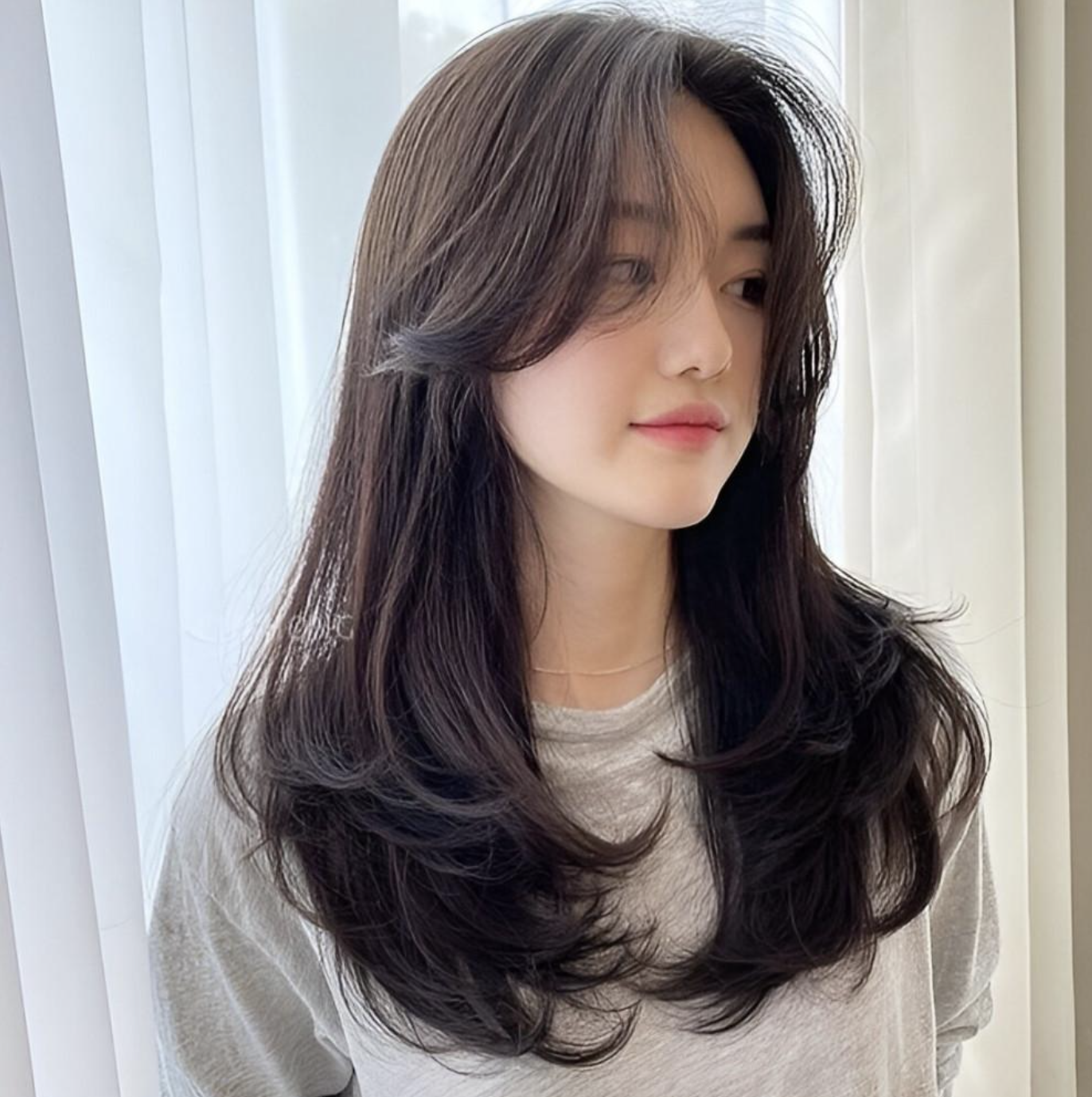 When deciding between curtain bangs vs side bangs, focus on the look you want, how your hair naturally behaves and how much styling you are comfortable doing.
Choose curtain bangs if you prefer a soft, open, face-framing effect that blends into your haircut. Consider side bangs if you like a sweeping fringe, a side part or a more asymmetrical finish.
The most flattering fringe is not necessarily the trendiest one. It is the style that complements your features, works with your natural hair and fits your everyday routine.
Ready for a fresh hairstyle?
Make Le Classic Hair Studio your first stop when exploring your next haircut. Visit Le Classic Hair Studio to learn more about the salon and enquire about a haircut consultation.
Discover a fringe that suits your style, fits your lifestyle and makes you feel confident every day.