How to Cover Grey Hair Without Frequent Root Touch-Ups
Noticing more grey hairs and tired of visiting the salon every few weeks to cover your roots? You are not alone. Many people want to maintain beautiful, youthful-looking hair colour without the commitment of frequent root touch-ups. Fortunately, there are several ways to cover grey hair while making regrowth less noticeable and keeping your hair colour looking fresh for longer.
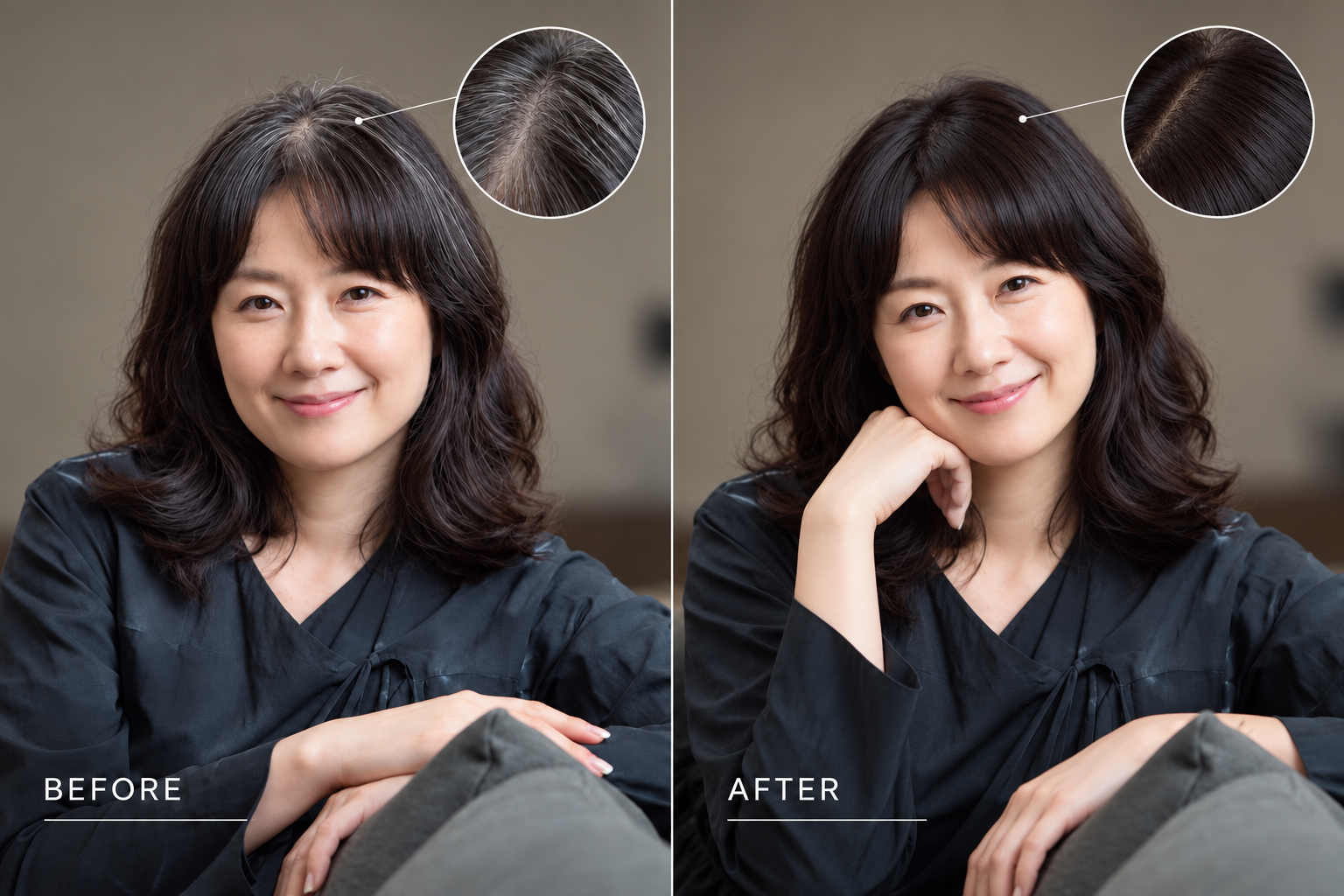
Learning how to cover grey hair starts with choosing the right colouring technique for your natural hair colour, percentage of grey hair, lifestyle and maintenance preferences. Permanent hair colour can provide consistent grey coverage, while techniques such as grey blending, highlights, lowlights, balayage and root smudging can create a softer transition between coloured hair and new growth.
At Le Classic Hair Studio, a professional hair colour consultation can help you explore suitable options based on your hair condition, previous chemical services and desired result. Whether you prefer full grey coverage or a more natural-looking blend, the goal is to find a colouring strategy that complements your appearance and fits your routine.
What Is the Best Way to Cover Grey Hair Without Frequent Root Touch-Ups?
The best way to cover grey hair without frequent root touch-ups is to choose a colouring technique that makes new growth less noticeable. Permanent hair colour is generally suitable for people who want stronger grey coverage, while grey blending, highlights, lowlights and root-smudging techniques can soften the contrast between grey roots and coloured lengths.
The right option depends on how much grey hair you have, your natural hair colour, your desired finish and how often you are comfortable visiting the salon. For some people, combining root coverage with dimensional colour through the lengths offers a practical balance between coverage and maintenance. Although no colouring technique can prevent grey hair from growing, the right colour placement can make the regrowth line less obvious and help maintain a polished appearance between appointments.
Why Does Grey Hair Require Frequent Root Touch-Ups?
Grey hair becomes visible when hair follicles produce less melanin, the pigment responsible for natural hair colour. As new hair grows, the difference between the natural roots and coloured lengths becomes increasingly noticeable. This contrast is particularly obvious when dark brown or black hair is coloured to a shade that differs significantly from the emerging roots.
The frequency of root touch-ups depends on hair growth, the percentage of grey hair and your preferred appearance. People with a high percentage of grey hair may notice regrowth sooner than those with only a few scattered strands. Choosing a suitable colouring technique can help reduce the visual contrast, although the timing of future appointments will still depend on your individual regrowth pattern and coverage requirements.
Best Hair Colouring Techniques to Cover Grey Hair
1. Permanent Hair Colour for Full Grey Coverage
Permanent hair colour is one of the most common options for people who want to cover grey hair thoroughly. When applied appropriately, it can create an even, consistent colour from the roots through the lengths. This technique is especially suitable for people with a high percentage of grey hair who prefer a uniform finish. For example, someone who wants to maintain a rich dark brown shade may prefer permanent colour for more consistent coverage of silver or white strands.
However, full grey coverage does not necessarily mean less maintenance. When new roots grow in a noticeably different colour, the contrast can create a defined regrowth line. To make permanent hair colour easier to maintain, consider choosing a shade closer to your natural hair colour rather than making a dramatic change. A smaller difference between your natural roots and coloured hair can make regrowth less obvious. Your stylist may also recommend subtle highlights or lowlights to add dimension and soften the overall appearance.
2. Grey Blending for a Softer, More Natural Look
Grey blending is a colouring approach that integrates grey or silver strands with the surrounding hair colour instead of attempting to conceal every strand completely. Depending on your starting colour and desired result, a stylist may use highlights, lowlights or a combination of techniques to create a more dimensional finish.
For example, a brunette with scattered grey hairs may benefit from carefully placed lighter and darker sections that help the silver strands blend into the overall colour. This creates a softer, more natural-looking appearance instead of a single, uniform shade.
Grey blending can be suitable for people who prefer a gradual transition between natural roots and coloured hair, want a dimensional finish or are comfortable with some grey strands remaining visible. It can also be an option for those who wish to transition gradually towards their natural grey hair. However, grey blending is not the same as complete grey coverage. The amount of grey that remains visible depends on the technique, colour choice and starting hair condition.
3. Highlights to Make Grey Roots Less Noticeable
Highlights introduce lighter sections throughout the hair, creating contrast and dimension. When placed strategically, they can help grey strands blend with the overall colour rather than appearing as a distinct line of regrowth. Beige, caramel or soft brown highlights may work well with selected brunette base colours, while cooler shades may complement other starting colours depending on your existing hair colour, skin tone and desired result.
The objective is not simply to make the hair lighter but to create a balanced colour pattern that reduces the visual difference between emerging grey roots and the coloured lengths. However, highlights do not automatically provide complete grey coverage. If you have a high percentage of grey hair and want stronger coverage, your stylist may recommend combining highlights with a suitable root-colour service.
Hair condition should also be considered before lightening. Highlighting may involve bleach or other lightening products, which can increase dryness and damage, particularly if the hair has already undergone repeated chemical services. A professional assessment can help determine whether highlights, grey blending or another approach is more suitable.
4. Lowlights for Natural-Looking Depth
While highlights add lighter sections, lowlights introduce darker strands to create depth and dimension. They can be particularly useful for people whose hair has become very light or whose grey-blending result needs more contrast. By combining different shades throughout the hair, lowlights can create a softer, more balanced appearance.
For people with naturally brunette hair, lowlights may help preserve depth while complementing selected lighter sections that blend grey strands. However, lowlights alone may not provide sufficient coverage for a high percentage of grey hair. The most appropriate technique depends on whether your priority is complete coverage, softer regrowth or a more dimensional finish.
5. Root Smudge or Root Shadow for Softer Regrowth
A root smudge or root shadow creates a blended transition around the roots instead of leaving a sharp distinction between the roots and lighter hair below. This technique is commonly used with highlights and balayage, where a suitable colour is applied near the roots and blended into the lengths for a softer transition.
Root smudging can be useful if you prefer dimensional hair colour and want regrowth to look less defined. It may also complement a grey-blending strategy when the colour placement and formulation are appropriate. However, root smudging is not a universal replacement for grey coverage. Depending on the product and technique, it may not conceal resistant grey hair as thoroughly as permanent colour. If your main concern is white or silver roots appearing against dark hair, ask your stylist whether a blended root colour can meet your coverage expectations.
6. Balayage for a Lower-Maintenance Colour Look
Balayage is a freehand highlighting technique that creates lighter sections with a soft, blended appearance. It is often chosen by people who prefer a natural-looking transition rather than highlights that begin with a strong, uniform line at the roots. When the colour placement is designed around your natural base colour, balayage can reduce the visual impact of regrowth while adding brightness and dimension to brunette hair.
However, balayage is not specifically a grey-coverage technique. It may help blend some grey strands, but it will not necessarily conceal white roots completely. If you have a significant amount of grey hair, combining balayage with root coverage or another grey-blending method may be more suitable.
Permanent hair colour is generally more appropriate when your main priority is consistent grey coverage, while balayage may be better suited to a softer, dimensional finish with less obvious regrowth. If you want both coverage and a lower-maintenance appearance, a customised combination may be worth discussing during your consultation.
7. Choose a Hair Colour Closer to Your Natural Shade
One of the simplest ways to make grey roots less noticeable is to avoid an unnecessarily large contrast between your natural hair colour and coloured lengths. For example, someone with naturally dark brown hair who chooses a similar brown shade may experience less visible contrast than someone who chooses a very dark, uniform colour against lighter natural regrowth.
This does not mean you must avoid dark hair colours. Instead, discuss how your natural base, grey percentage and desired finish will affect the appearance of new growth. Your stylist may recommend a softer brunette shade, subtle dimension or a blended root effect to help the colour transition look more natural. The best hair colour is not only about the result immediately after your salon visit but also about how you want your hair to look as it grows.
How to Choose the Right Grey Hair Colouring Method
Choosing the right grey hair colouring method depends on the amount of grey hair you have, your preferred level of coverage and your willingness to maintain the result. If you have only a few grey strands around the hairline or parting, targeted root coverage or subtle blending may be sufficient. You may not need a full-head colouring service.
If approximately 30–50% of your hair is grey, grey blending, highlights, lowlights or a combination of techniques may help create a more dimensional appearance. If you prefer stronger coverage, a suitable base colour can be combined with other techniques to achieve your desired finish.
For people with more than 50% grey hair, the choice depends on whether they want to conceal the grey completely or embrace a blended silver look. Permanent colour may be appropriate for stronger coverage, while a carefully planned grey-blending service can integrate natural silver strands into a more dimensional colour.
These percentages are general guides rather than strict rules. Hair texture, existing colour, previous chemical services and the distribution of grey strands can all influence the most suitable approach. A professional consultation can help determine which option meets your expectations.
How to Maintain Coloured Hair Between Salon Visits
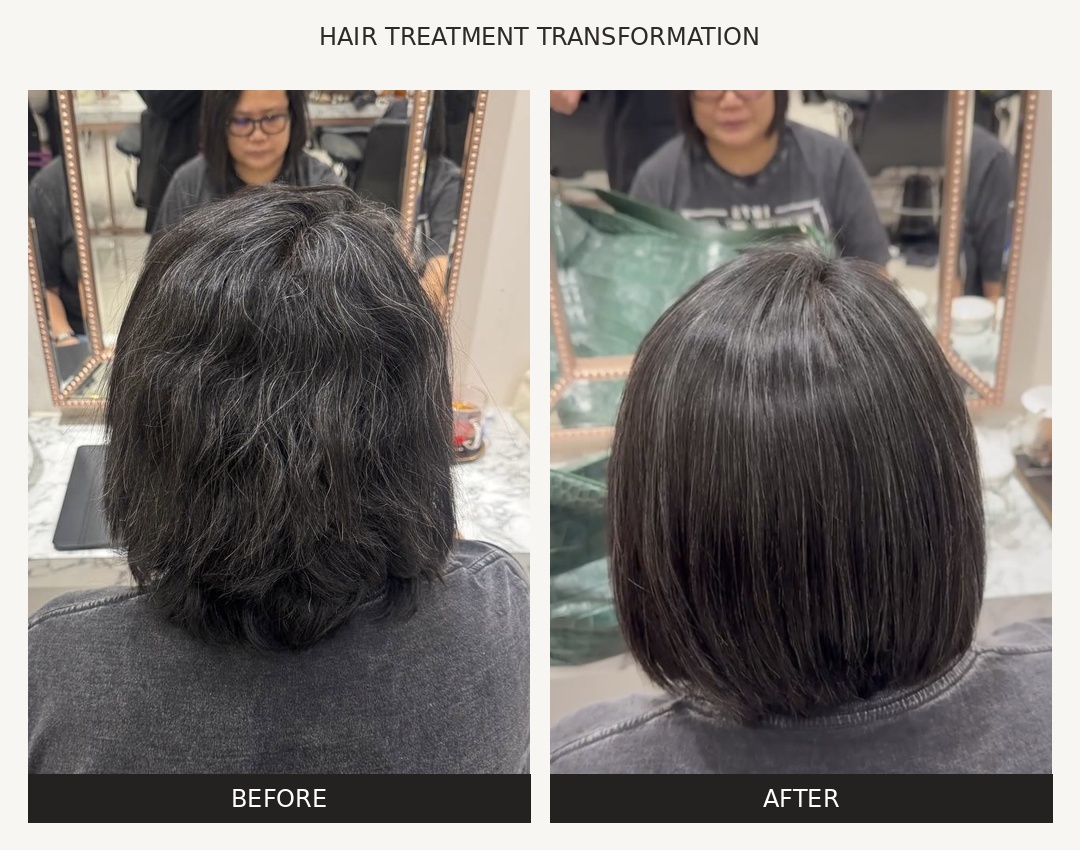
Choosing the right colouring technique is only part of maintaining beautiful hair. A consistent hair-care routine can help preserve colour appearance and support the condition of your hair between appointments. Start by choosing a gentle shampoo formulated for coloured hair. Washing too frequently or using a product that is too harsh for your hair may contribute to dryness or faster fading, depending on the formula and your hair condition.
Conditioning your hair regularly can improve softness and manageability. Focus on the mid-lengths and ends, especially if your hair has been highlighted or lightened. If your hair feels dry, a suitable conditioning mask may help improve its feel and reduce tangling. Your stylist can recommend products based on your scalp and hair type.
It is also important to reduce excessive heat styling. Frequent use of high-temperature styling tools can contribute to damage and make coloured hair appear dry or dull. Apply a heat protectant before blow-drying, straightening or curling, and choose a temperature appropriate for your hair condition.
Environmental exposure, including sunlight and swimming, can affect the appearance of some hair colours. Consider suitable protection when spending extended periods outdoors or swimming, and rinse your hair after swimming as appropriate. If your hair has highlights or balayage, avoid repeatedly applying lightener to previously lightened sections without professional assessment. Overlapping chemical services may increase the risk of dryness, breakage and uneven results. Always inform your stylist about your previous colour history so future services can be planned more carefully.
How Often Should You Touch Up Grey Hair?
There is no single schedule that suits everyone. The ideal interval depends on your hair growth, percentage of grey hair, colouring technique and how noticeable you find your regrowth. People who want consistent coverage with permanent hair colour may prefer more frequent root appointments, while those who choose grey blending, highlights or a softer root transition may find that their colour remains visually acceptable for longer.
Rather than following a fixed schedule, ask your stylist to recommend an interval based on your regrowth pattern and hair condition. If your hair is dry, brittle or showing signs of breakage, discuss its condition before scheduling another chemical service. Maintaining hair health is just as important as achieving your preferred colour.
Why Choose Le Classic Hair Studio for Grey Hair Colouring?
Finding the right salon for grey hair colouring involves more than selecting a shade from a colour chart. A suitable plan should take your natural hair colour, grey coverage needs, previous chemical services and preferred maintenance routine into account.
At Le Classic Hair Studio, a professional hair colour consultation can help you explore options ranging from permanent grey coverage to highlights, balayage and grey blending. Rather than assuming that one technique works for everyone, your stylist can assess your hair and explain which approaches may be suitable, including any limitations or additional care that may be required.
If your goal is to cover grey hair without frequent root touch-ups, ask about colour placement and techniques that can create a softer regrowth effect while meeting your coverage expectations. For clients in Malaysia looking for professional hair colouring, Le Classic Hair Studio can be a starting point for discussing a colour plan tailored to their hair and lifestyle.
Book a consultation with Le Classic Hair Studio to discuss your grey hair concerns and explore a suitable colour-maintenance strategy.
Frequently Asked Questions About How to Cover Grey Hair
How can I cover grey hair without touching up my roots every few weeks?
Consider grey blending, highlights, lowlights or a softer root transition to reduce the appearance of regrowth. If you need complete coverage, permanent hair colour may be more suitable, although it can still require regular root maintenance.
What is the lowest-maintenance hair colour for grey hair?
There is no single lowest-maintenance colour for everyone. Grey blending and dimensional colouring can make regrowth less noticeable, while shades closer to your natural hair colour may reduce contrast. The best option depends on your starting colour and coverage needs.
Is balayage good for covering grey hair?
Balayage can help soften the appearance of some grey strands by adding lighter sections and dimension. However, it does not guarantee full grey coverage. People with significant grey regrowth may need a separate root-colour service.
Are highlights or permanent colour better for grey hair?
Permanent colour is generally a better choice for people who want more consistent grey coverage. Highlights are often better for creating dimension and blending grey strands. A combination may be suitable if you want both coverage and a softer overall result.
Can I cover grey hair without using permanent hair dye?
Depending on your needs, you may consider semi-permanent colour, temporary root concealers or grey blending. These options have different coverage levels and longevity. Temporary products generally wash out, while other colour products may fade gradually and may not fully cover resistant grey strands.
Will grey blending work on dark Asian hair?
Grey blending can work on dark Asian hair, but the approach should be tailored to your natural base colour, the amount of grey and your desired finish. Subtle highlights, lowlights or carefully selected root colour may help soften the contrast. Lightening should be planned carefully to protect hair condition.
Does colouring grey hair damage it?
The effect depends on the product, technique, processing and existing hair condition. Permanent colouring and especially lightening services can affect the hair fibre. Professional assessment, suitable aftercare and avoiding unnecessary overlapping chemical treatments can help manage the risk of damage.
Can I make grey roots less noticeable without colouring my hair?
Yes. Temporary root concealers, hair powders, sprays and strategic parting or styling can help camouflage visible roots between appointments. These are short-term solutions rather than permanent colour treatments.
How do I know which grey hair treatment is right for me?
Consider whether you prefer complete coverage or a softer blend, how much grey hair you have, your natural colour and your maintenance preferences. A professional consultation can help determine which technique is suitable for your hair condition and desired outcome.
Final Thoughts
Learning how to cover grey hair without frequent root touch-ups is about finding the right balance between coverage, colour design and maintenance. Permanent hair colour can provide more consistent coverage, while grey blending, highlights, lowlights, balayage and root-smudging techniques may help soften the appearance of new growth.
The most suitable option depends on your natural hair colour, the amount of grey hair you have, your previous chemical services and the look you want to achieve. At Le Classic Hair Studio, you can discuss your grey hair concerns with a stylist and explore a colour approach that suits your lifestyle and hair condition. With the right plan, you can work towards a colour result that looks beautiful not only after your salon visit but also as your hair grows.